Source Eco Friendly Recyclable Aviation Cups for Travel
Source eco friendly recyclable aviation cups from 30 verified manufacturers. Compare paper cup options with flexographic printing, various lid types, and custom branding for hot and cold beverage service; compare the available evidence and request quotations based on your requirements.
Key considerations
Products List




Comprehensive Sourcing Guide
Eco Friendly Recyclable Aviation Cups Sourcing Guide
Procuring sustainable cup solutions for aviation and hospitality sectors requires a clear understanding of material limitations and operational demands. The core keyword "eco friendly recyclable aviation cups" often intersects with paper-based packaging, which offers a viable alternative to traditional plastics. Buyers must distinguish between products marketed as biodegradable and those that are simply recyclable, as the supply chain for certified compostable materials remains specialized. This guide focuses on verified attributes such as paper construction, flexographic printing capabilities, and customizable sizing options that align with modern sustainability goals.
Aviation catering and premium hospitality services increasingly demand packaging that balances environmental responsibility with functional integrity. The observed market includes single-wall, double-wall, and ripple-wall paper cups designed for hot and cold beverages. These products often support customization through logo printing and color variations, allowing brands to maintain visual identity while adhering to green initiatives. Understanding the specific usage scenarios, from tea cups to jelly packaging, helps buyers select the appropriate wall thickness and sealing methods to prevent leakage during transit and service.
Product Scope and Observed Listing Signals
The current market landscape for eco-friendly cups is dominated by paper-based materials, with flexographic printing serving as the primary decoration technique. Listings frequently highlight customization options, including logo placement and color schemes ranging from one to six colors. This flexibility allows airlines and hotels to tailor packaging to their brand guidelines without compromising on the sustainable narrative. The availability of various cup styles, such as simple designs or those with specific lids, indicates a mature supply chain capable of meeting diverse aesthetic and functional requirements.
Observed product specifications reveal a wide range of capacities, from small 2.5-ounce servings to larger 24-ounce options. This variety supports different beverage types, including coffee, tea, and cold drinks, which are common in aviation and hospitality settings. The presence of accessories like paper straws, PLA straws, and various lid types (dome, sip, flat) suggests a comprehensive ecosystem for complete beverage service. Buyers should note that while many products are labeled as disposable, some reusable or durable variants exist, requiring careful verification of the intended lifecycle and disposal method.
Technical Specifications to Verify
Verifying technical specifications is critical to ensuring that eco-friendly cups meet the rigorous demands of aviation and hospitality environments. Key attributes to confirm include the wall structure, which can be single, double, or ripple, each offering different levels of insulation and durability. The heat resistance range, typically observed between 0-90ºC, must align with the specific beverages being served to prevent deformation or leakage. Additionally, the compatibility of cup sealing films, whether paper or plastic, should be assessed to ensure a secure closure that maintains product integrity during transport.
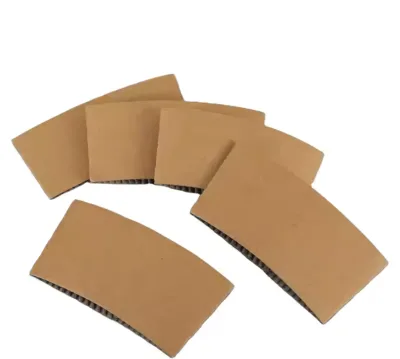
Capacity and model numbers provide essential reference points for ordering and inventory management. Standard sizes such as 8oz, 12oz, and 16oz are commonly available, but buyers should verify exact dimensions against their existing service ware. The inclusion of accessories like holders, sleeves, and takeaway bags can streamline operations, but their material composition must also align with sustainability goals. For instance, paper sleeves and PP or PE bags offer different environmental profiles, so buyers must evaluate the entire packaging system rather than just the cup itself.
Compliance and Safety Documentation
Compliance with safety and environmental standards is non-negotiable for eco-friendly packaging in regulated industries like aviation. Buyers must request documentation that verifies the material's safety for food contact, ensuring it meets relevant national and international regulations. While specific certifications like FSC or EN13432 are mentioned in background data, their applicability depends on the supplier's actual certification status. It is crucial to confirm whether the paper source is sustainably managed and if the product meets local waste management regulations for recycling or composting.
Safety features such as the absence of harmful chemicals and the structural integrity of the cup under heat are paramount. Products labeled as "very safe" and suitable for specific age groups indicate a focus on consumer protection, but this must be backed by third-party testing reports. Buyers should also verify the service life and degradation conditions, as some materials require specific industrial composting facilities to break down effectively. Understanding these nuances helps avoid greenwashing and ensures that the procurement strategy genuinely supports environmental objectives.
Cost Drivers and Commercial Terms
Cost structures for eco-friendly cups are influenced by material quality, customization complexity, and order volume. The observed MOQ ranges from 100 to 200,000 pieces, offering flexibility for both small-scale trials and large-scale production runs. Higher customization levels, such as multi-color flexographic printing or unique lid designs, typically increase unit costs. Buyers should negotiate based on volume tiers and consider the total cost of ownership, including shipping and handling, which can be significant for bulky paper products.
Commercial terms also include sample availability and lead times, which are critical for supply chain planning. Many suppliers offer free samples to allow buyers to assess quality before committing to large orders. However, lead times can vary based on production capacity and seasonal demand. It is advisable to establish clear agreements on pricing stability and delivery schedules to mitigate risks associated with supply chain disruptions. Understanding these financial and logistical factors helps in budgeting accurately and maintaining consistent service levels.
Supplier Qualification and Quality Control
Supplier qualification involves assessing manufacturing experience, production capabilities, and quality control processes. Suppliers with over 20 years of experience often demonstrate greater reliability and consistency in product quality. Buyers should verify the factory's ability to handle large volumes and maintain strict quality standards, including checks for print alignment, seal integrity, and material consistency. Requesting references or case studies from similar industries, such as aviation or hospitality, can provide additional confidence in the supplier's capabilities.
Quality control measures should extend from raw material sourcing to final packaging. Suppliers should have robust systems in place to prevent defects and ensure that each batch meets the specified standards. Regular audits and inspections, both during production and before shipment, are essential to maintain quality. Buyers should also inquire about the supplier's approach to sustainability, including waste reduction and energy efficiency in manufacturing. A comprehensive quality control strategy ensures that the eco-friendly claims are backed by tangible operational practices.
Long-Term Procurement Checks
Long-term procurement success depends on continuous monitoring of supplier performance and market trends. Buyers should establish key performance indicators (KPIs) for delivery reliability, product quality, and customer satisfaction. Regular reviews of these metrics help identify areas for improvement and ensure that the supplier remains aligned with the buyer's sustainability goals. Additionally, staying informed about advancements in eco-friendly materials and technologies can provide opportunities for innovation and cost savings.
Building a resilient supply chain involves diversifying suppliers and maintaining open communication channels. Regular feedback loops with suppliers can foster collaboration and drive continuous improvement. Buyers should also consider the end-of-life options for the packaging, ensuring that the disposal infrastructure in their target markets supports the chosen materials. By proactively managing these long-term factors, buyers can secure a sustainable and reliable supply of eco-friendly cups that meet both operational and environmental objectives.
FAQs
What materials are used for these paper cups?
The cups are primarily made from paper, offering a recyclable base material for eco-friendly packaging needs. This construction supports sustainable disposal and aligns with green sourcing initiatives for food and beverage applications.
Can I customize the logo and colors on the cups?
Yes, customization is available for both logos and colors. Buyers can choose from 1 to 6 colors and have their custom logo printed on the cups, allowing for distinct brand identity and marketing integration.
What sizes are available for these drinking cups?
Standard sizes range from 2.5oz to 24oz, including popular options like 8oz, 12oz, 16oz, and 20oz. These capacities cater to various beverage types, from small espresso shots to large takeaway drinks.
Are these cups suitable for hot and cold beverages?
Yes, the cups are designed for both hot and cold beverages, including tea and coffee. They feature heat resistance up to 90ºC, ensuring safety and functionality for a wide range of daily use and health care applications.
What is the minimum order quantity for these products?
The minimum order quantity is typically 50,000 pieces, though observed ranges vary from 100 to 200,000 units depending on the specific supplier and product configuration. Bulk orders often benefit from more competitive pricing structures.
Where are these paper cups manufactured?
These products are manufactured in China, with specific origins noted in Wuhan. This location supports efficient global supply chains and provides access to established manufacturing infrastructure for high-volume paper cup production.